
Mixed-Container Steel Grating Supply: A Practical Buyer Guide
A mixed container can reduce landed cost and simplify replenishment, but only when specifications, bundle logic, weights, labels, and loading order are planned together.
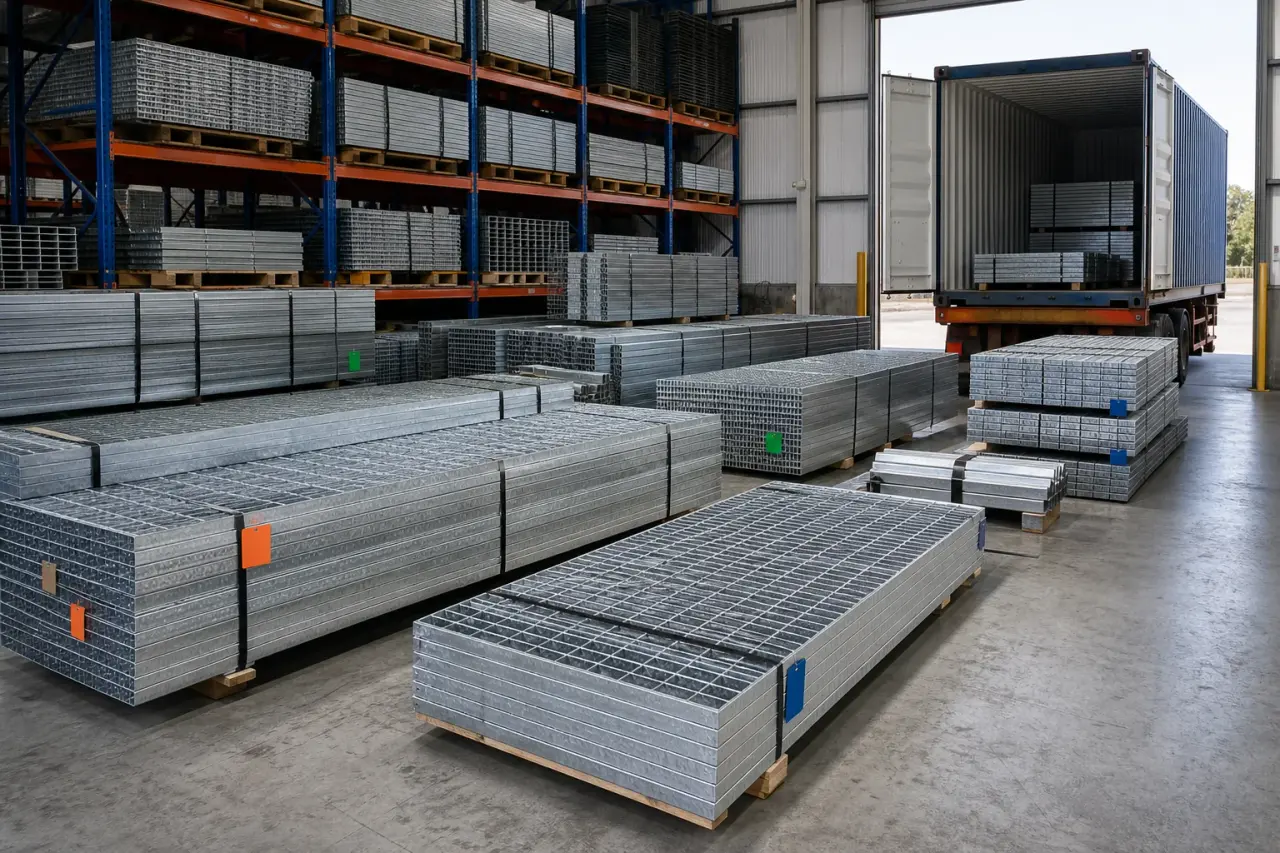
1) When mixed loading makes commercial sense
Distributors often need several standard panel sizes, stair treads, clips, and occasional fabricated pieces without buying a full container of each item. Project buyers may also combine multiple platform areas or access components in one shipment. Mixed loading works when the combined volume is meaningful and every line can be packed and identified clearly.
2) Freeze specifications before optimizing the container
List the grating type, bearing-bar size, mesh, panel size, surface, material, finish, and quantity for every line. Separate stock panels from fabricated project panels. Small dimensional differences can prevent panels from sharing a bundle and change the final packing plan.
3) Plan weight before volume
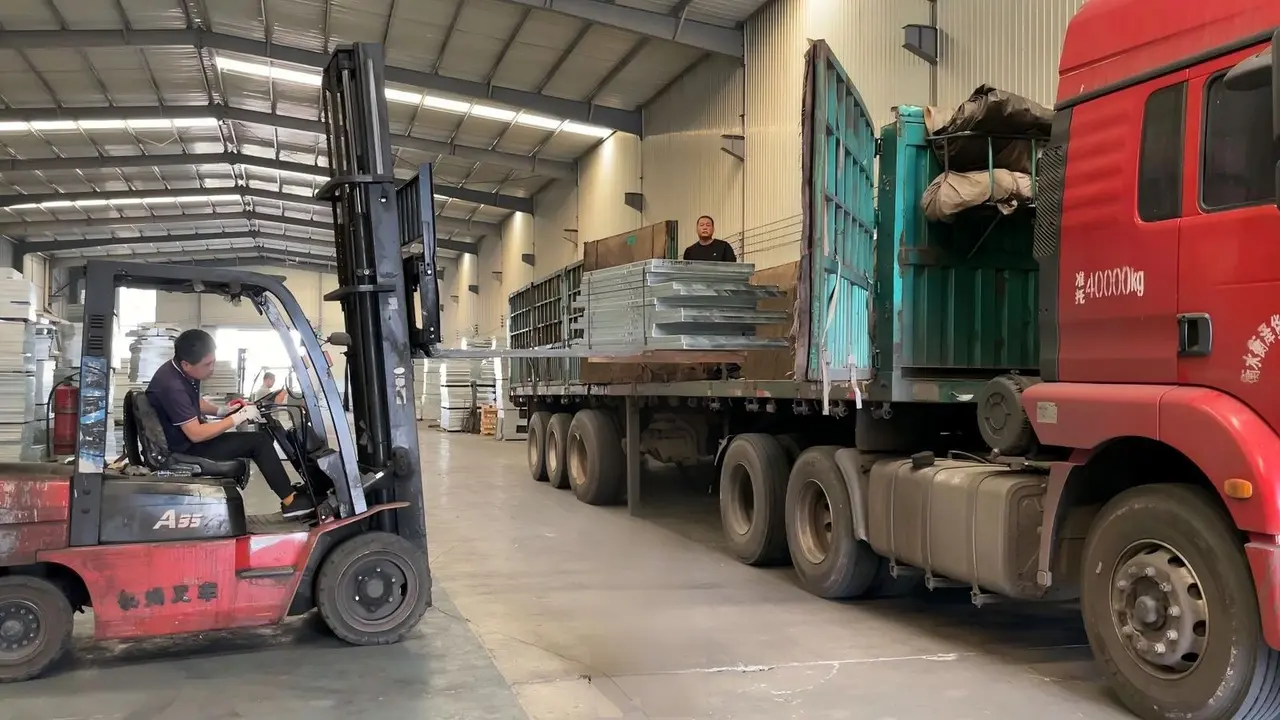
Steel grating is dense. Container loading is normally constrained by allowable gross weight before the cubic volume is full. The supplier should estimate net product weight, pallets or timber, protective material, and the container tare. Buyers should also confirm road-weight limits at destination.
4) Use a simple bundle and label system
- One bundle number with specification, quantity, and net/gross weight.
- PO line or stock code shown on the packing list.
- Project area and piece-mark range for fabricated panels.
- Weather-resistant tags on at least two accessible sides.
- Accessory boxes listed separately and fixed securely.
5) Load in the order the buyer can unload
The last bundle loaded is normally the first one removed. Tell the supplier if one specification, branch warehouse, or installation area is needed first. Heavy bundles need appropriate timber spacing for forklift forks and safe lifting. Photographs before door closure provide a useful dispatch record.
6) Send a stock list that can be quoted quickly
A clear spreadsheet is enough: item code, product description, panel or tread size, finish, quantity, preferred bundle size, and destination port. Add private-label or packing requirements only where they matter.
Send your regular stock list for a practical container plan and quotation.