
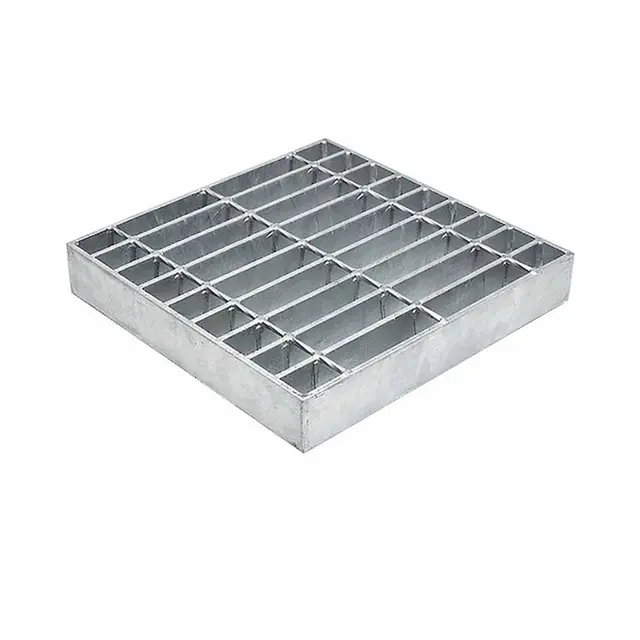
Bar Grating
Welded, press-locked, serrated, close-mesh and heavy-duty—carbon steel or stainless 304/316L.
View family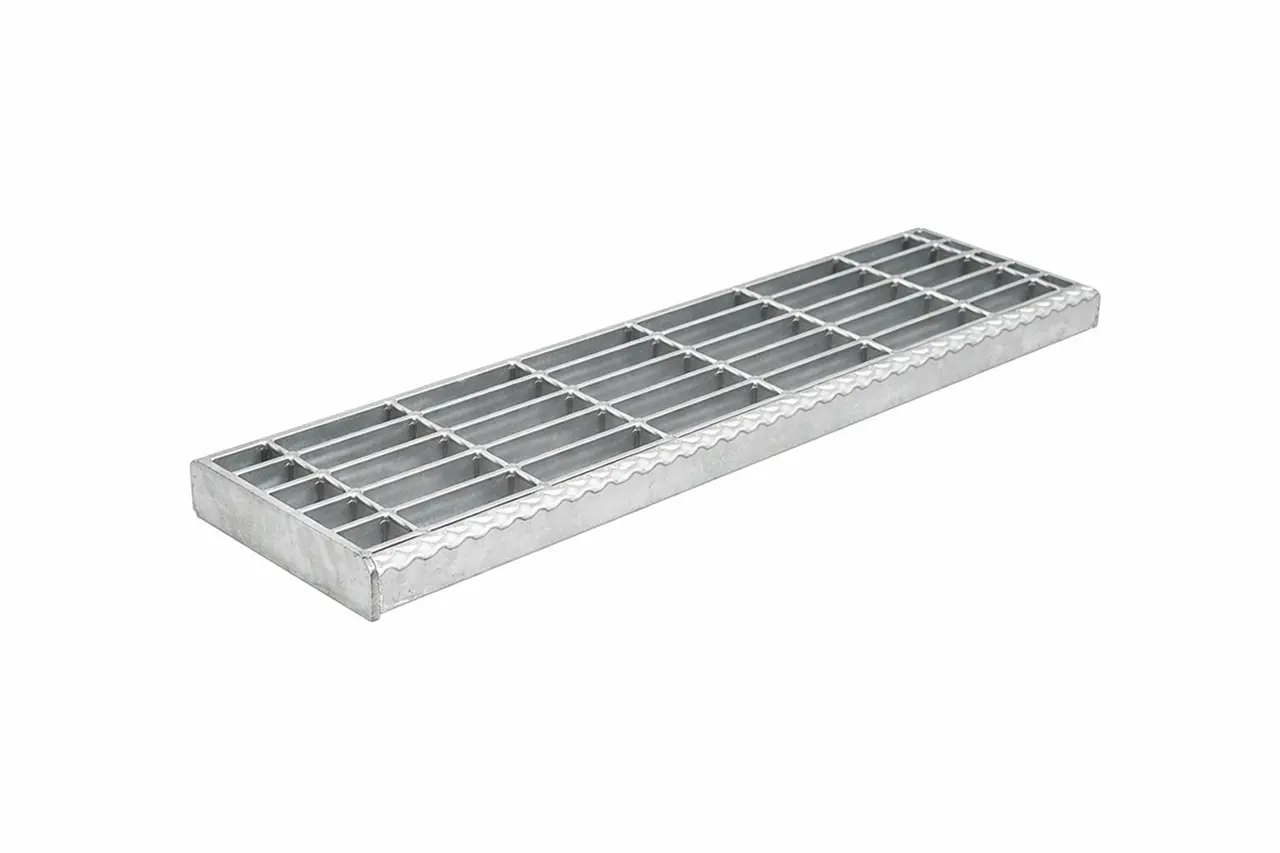
Stair Treads
Fabricated anti-slip treads with nosing and end-plate options.
View family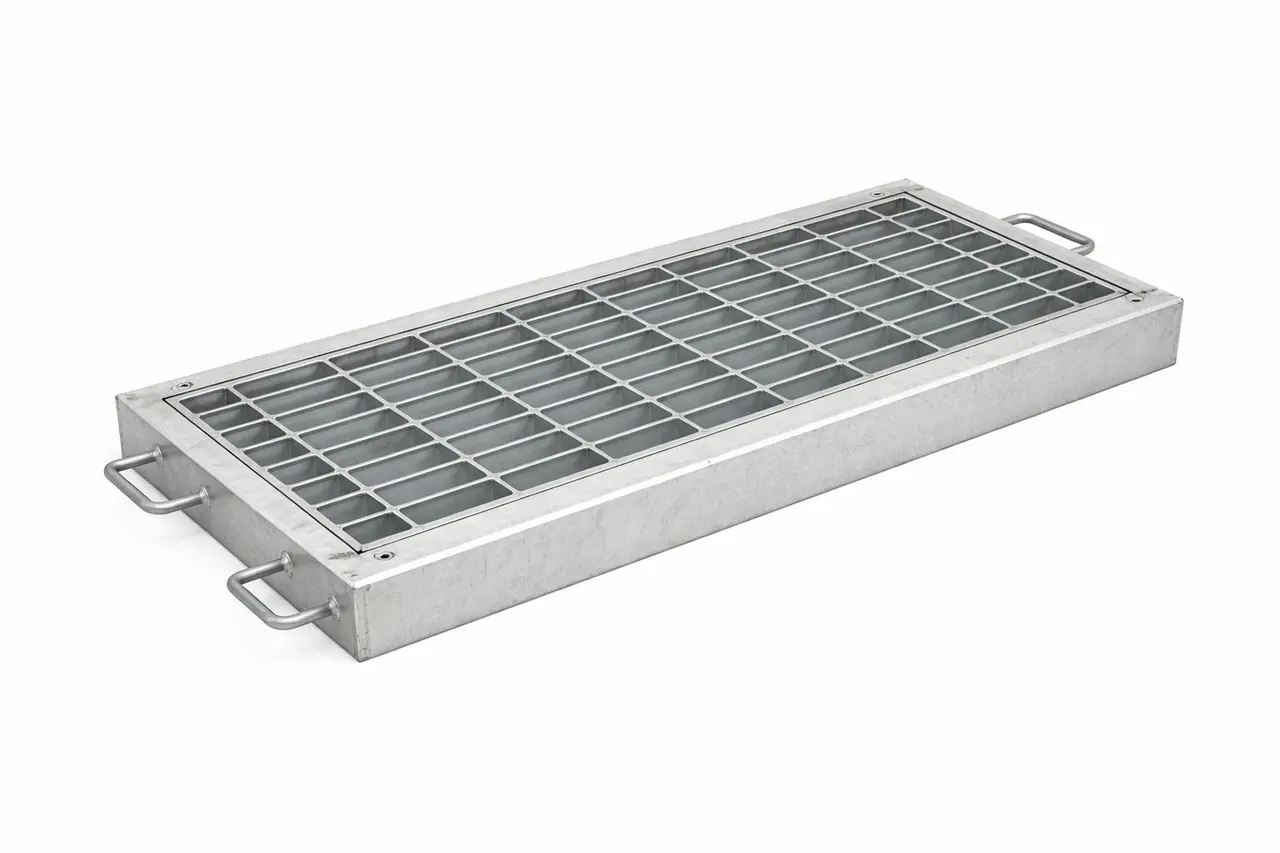
Trench Covers
Drainage and utility covers for pedestrian and vehicle duty.
View family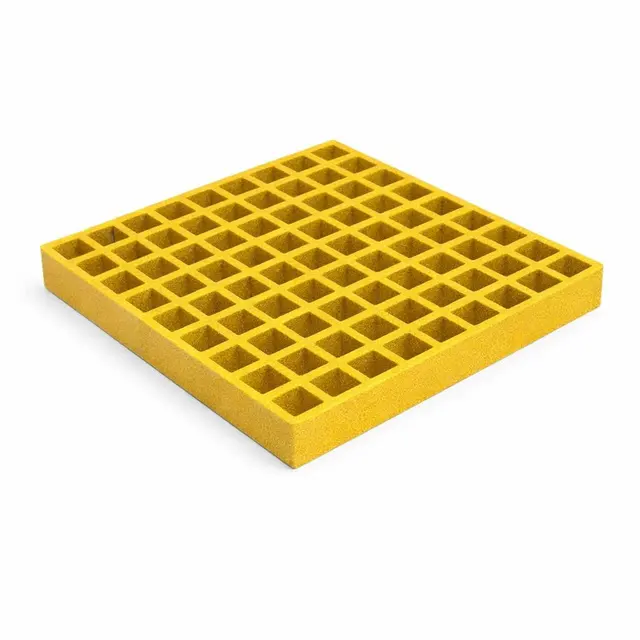
FRP Grating
Lightweight, non-corrosive flooring for wet and aggressive areas.
View family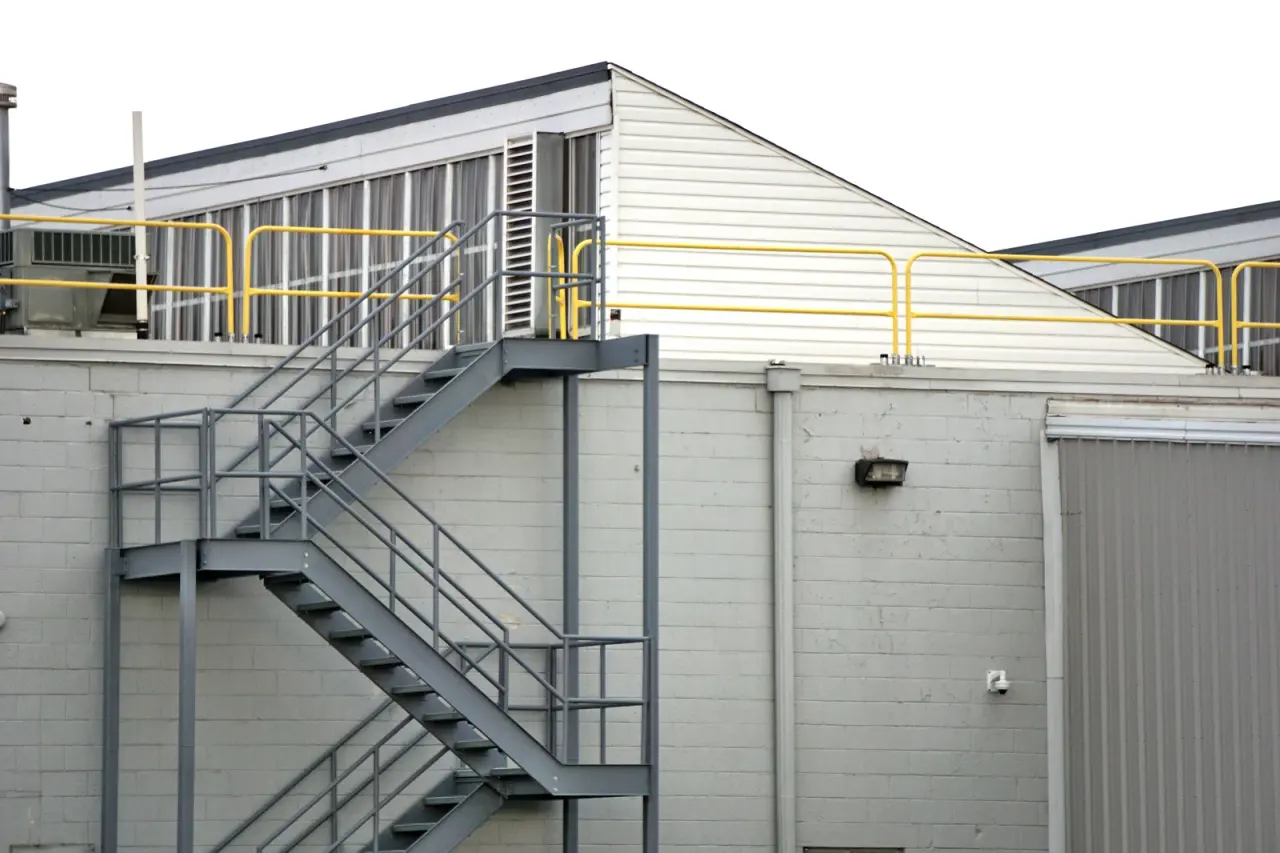
Handrails & Guardrails
Edge protection coordinated with platforms, walkways and stairs.
View family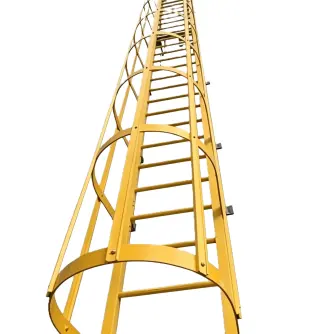
Ladders & Cage Ladders
Vertical access components for equipment and elevated structures.
View family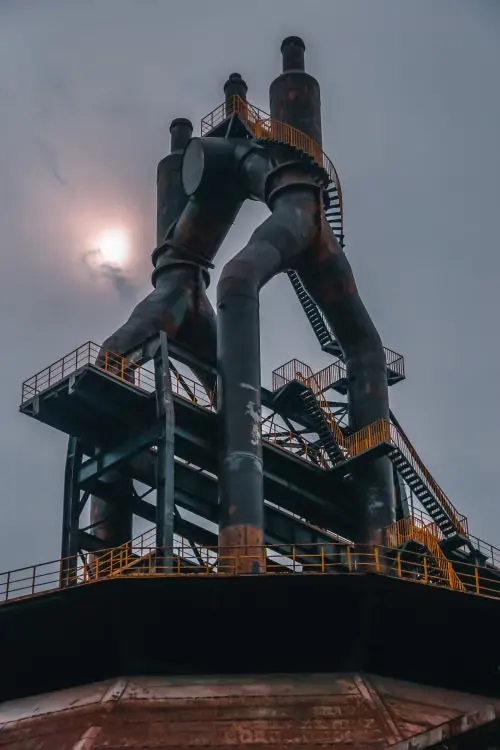
Support Frames & Edge Bands
Frames, banding and toe plates prepared to project drawings.
View family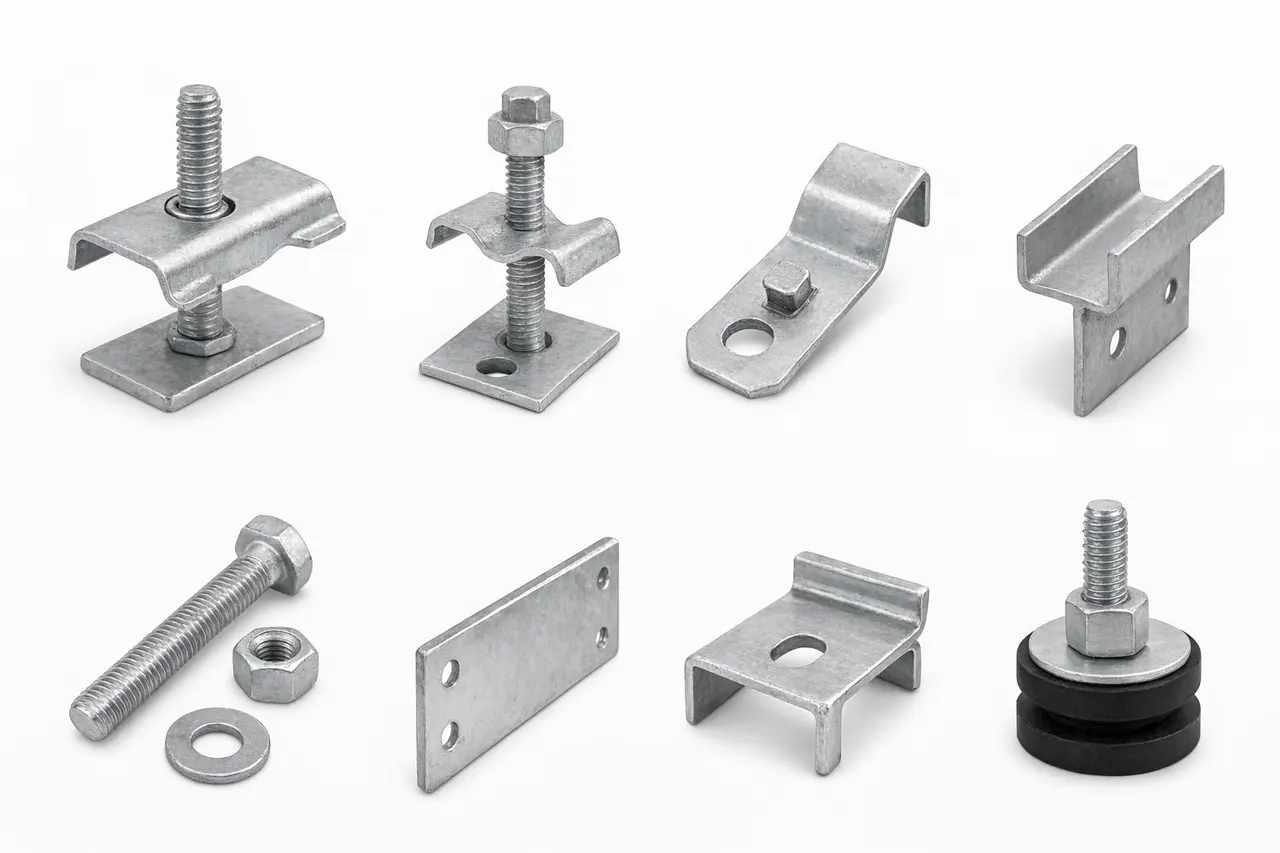
Fixings & Accessories
Clips, fasteners and joining components for secure installation.
View familyTypical combinations
Products that are commonly quoted together.
Standard platform package
Galvanized bar grating, banding, support frames, guardrails, toe plates and clips.
View platform system →Corrosion-resistant walkway
Stainless bar grating or FRP flooring, compatible supports, guardrails and corrosion-resistant fixings.
View walkway system →Industrial stair access
Anti-slip treads, landings, handrails and connection components prepared to drawings.
View stair system →Products & components
Additional components supplied with complete packages.
These products are normally quoted as part of a platform, walkway, stair or trench cover system. Each links to the full page with common specifications and ordering information.
Need technical selection?