
How to Buy Steel Grating from China: B2B Import Checklist
A reliable import starts with a controlled technical scope. Qualify the supplier, freeze the drawings, compare weights and exclusions, define inspection and packing, and link payments to clear production milestones.
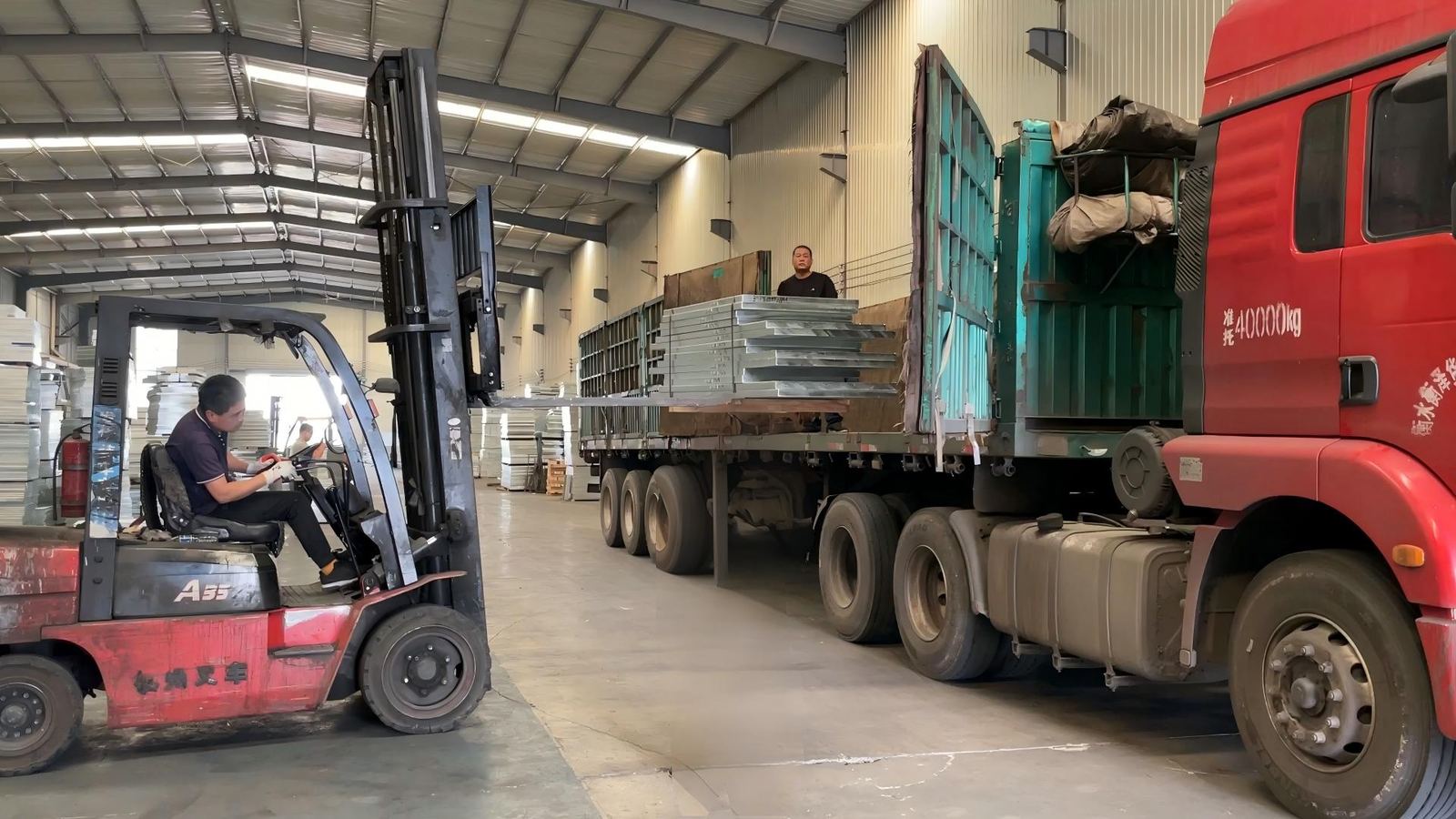
1) Qualify the steel grating supplier
Ask for the legal company name, factory address, production scope, relevant quality certificates, recent product photographs and an explanation of which processes are performed in-house. For a material order, confirm welding or locking equipment, cutting and banding capability, inspection instruments, galvanizing arrangement and export packing experience.
Certificates are supporting evidence, not a substitute for checking whether the supplier can make the exact construction and document package required by your project.
2) Send a controlled RFQ package
Provide the latest drawing register, GA drawings, support layout, BOM if available, loads and spans, grating designation, material, finish, fabrication details, standards, inspection requirements, packing, destination, requested Incoterm and delivery date. Mark every file with a revision.
If the supplier performs the takeoff, require a panel layout and assumptions list. Use the grating BOM guide to define the schedule fields.
3) Compare technical scope before price
Normalize bearing-bar depth and thickness, mesh spacing, cross bars, steel grade, bar tolerances, serration, banding, cut-outs, finish and fixings. Ask for theoretical net weight, finished weight basis and exclusions. A quotation with fewer bars, thinner material or omitted fabrication may appear cheaper without being equivalent.
4) Approve drawings and a sample
For fabricated projects, approve panel layout, piece marks, openings, banding and connection details before production. A representative sample can confirm bar profile, welding appearance, dimensions, serration, finish and marking expectations, but it does not replace production inspection.
5) Write the inspection plan into the order
- Material certificate and heat or batch traceability required by the contract.
- Bar size, pitch, panel dimensions, squareness and flatness checks.
- Weld or locking consistency and fabrication-detail checks.
- Coating records and visual acceptance for the specified finish.
- Piece marks, quantity, accessories, bundle labels and packing list.
- Hold point or witness point before shipment when required.
6) Control packing and container loading
Specify skids or pallets, steel straps, separators, weather protection, lifting access, bundle weight limits and installation-area labels. Ask for a packing list that maps each piece mark to a bundle. Long or wide panels should be checked against container doors, internal dimensions and unloading equipment.
7) Confirm Incoterms and shipping documents
Name the Incoterm and place precisely—for example, FOB named port or CIF named destination port. Confirm who books freight, buys insurance, clears export and import customs, pays local charges and arranges delivery. Required commercial documents should be agreed before production, not after the vessel is booked.
8) Link payments to clear milestones
Use the commercial terms agreed by both parties and match later payments to objective milestones such as drawing approval, production completion, inspection release or shipping documents. Independently verify beneficiary details and treat any late change of bank account as a fraud-risk event requiring confirmation through a known channel.
Import purchase-order checklist
- Legal buyer and seller names with contact details.
- Approved drawings, BOM, revision and technical specification.
- Quantity, unit, price basis, currency and taxes.
- Quality plan, acceptance criteria and release documents.
- Packing, marking, gross weight and container plan.
- Incoterm, named place, schedule and required shipping documents.
- Payment milestones, warranty, change control and claim procedure.
Frequently asked questions
What should I send for quotation?
Send drawings or a BOM plus grating construction, material, finish, fabrication, inspection, packing, destination and required date.
Should I inspect before shipment?
Use a risk-based pre-shipment inspection and define the checks in the order. Large, fabricated or specification-sensitive projects generally justify stronger controls.
How do I start?
Upload the RFQ package and state the destination country, port, Incoterm and project schedule.