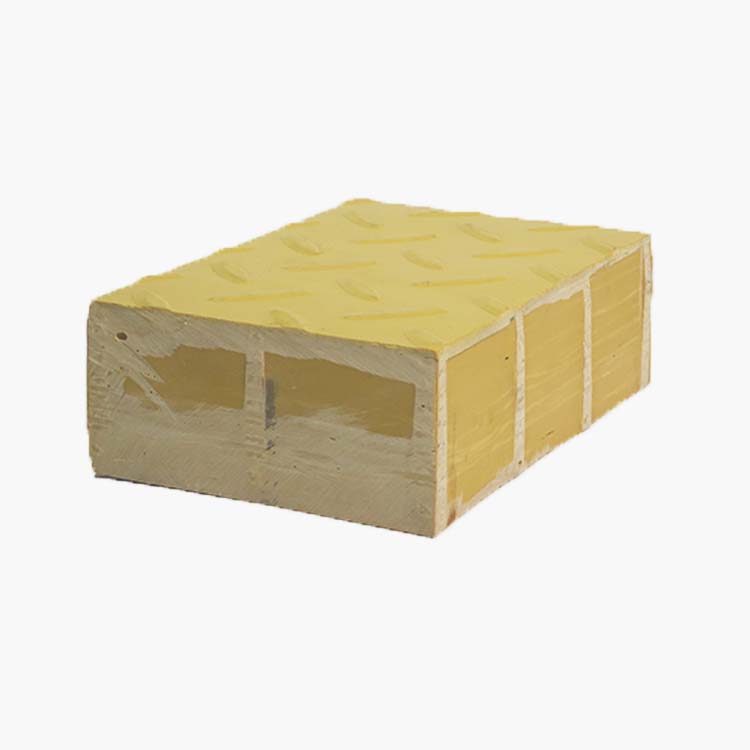
Anti-slip FRP grating surfaces

Anti-slip FRP grating with grit surface for maximum traction in wet, oily, or industrial environments.

Anti-slip grit surface on FRP grating
Gritted top for wet service—state wear class if required.

Product Description

Anti-slip FRP grating features a grit or abrasive surface layer bonded to the top of the grating for maximum traction in wet, oily, chemical, or high-traffic environments. The grit surface significantly improves slip resistance compared to smooth FRP and is ideal for stairs, ramps, platforms, and walkways where safety is critical. Available in molded construction with various mesh sizes and resin types. Corrosion-resistant and low maintenance.

Specification Details
Surface Grit or abrasive top layer for enhanced slip resistance
Typical environments Wet, oily, chemical, outdoor, high-traffic areas
Applications Stairs, ramps, platforms, walkways, chemical plants, marine
Resin types Polyester, vinyl ester for chemical resistance
Benefits High slip resistance, corrosion-resistant, lightweight, low maintenance
Construction Molded FRP with grit surface; integral or bonded

Anti-slip FRP in the field

Data centers

Outdoor stepovers and washdown pads where metallic corrosion products are undesirable.

Power generation

Cooling tower perimeter maintenance paths with mist and algae growth.

Oil & gas

Marine terminal approaches and berth maintenance where gritted tops improve barefoot or boot traction.

Related

Specify grit system and resin together

Grit bond durability depends on resin and exposure. Pair with molded FRP or pultruded layouts per loads.

Frequently asked questions

Does grit reduce open area?

Slightly; confirm drainage if important.

Cleaning?

Pressure washing may require grit retention checks.

Replacement interval?

Depends on traffic and chemical exposure.

Colors?

Often available for safety zoning.

Steel alternative?

Compare to serrated steel for high wheel loads.

Need a quotation?

Send mesh size, thickness, resin type, panel dimensions, quantity, and project requirements.

Request a Quote