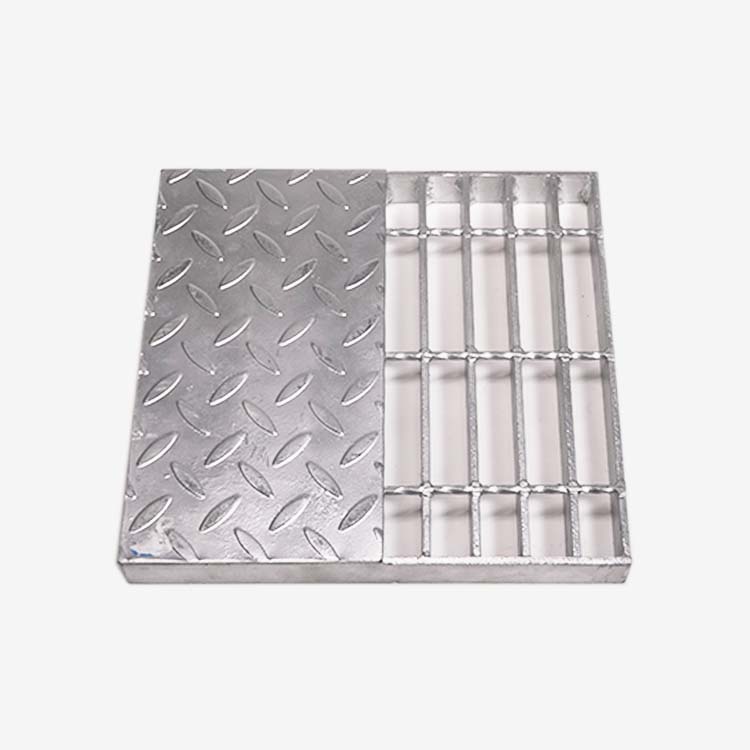
Composite steel grating (checker plate on mesh)
Composite steel grating for combined strength and corrosion resistance in demanding industrial environments.
Steel grating combined with protective or specialist layers for corrosive or demanding environments. Spacing follows the same logic as standard bar grating — describe the composite system and standard in your RFQ.
| Item | Details |
|---|---|
| Use | Strength + enhanced corrosion / specialist duty |
| RFQ | Composite type, pitches, finish, drawings |
Where composite grating replaces open mesh
Data centers
Walkways above cold-aisle cable zones where drips must not reach energized gear, when mechanical approves solid tops locally.
Power generation
Electrical equipment galleries and MCC rooms requiring a continuous top while retaining a steel support grid.
Oil & gas
Analyzer shelters and instrument buildings where small parts must not fall into lower pipe racks.
See also
Drainage and weight trade-offs
Checker plate removes through-mesh drainage unless detailed cutouts are added. Dead load rises versus open welded grating; verify secondary steel.
Frequently asked questions
How is the checker plate attached?
Factory-bonded or welded laminate per quotation; method affects torsion stiffness and repair strategy.
Can composite panels be galvanized after lamination?
Depends on plate thickness and venting; confirm with the supplier’s process.
Is slip resistance from the checker pattern enough?
Project HSE decides; serrated open mesh may still be required in wet zones.
What spans are realistic?
Treat as a heavier deck—check tables or project engineering for deflection.
Do you supply cut-outs for columns?
Yes with drawings showing net sizes and tolerances.
Alternative to composite?
Close-mesh if limited openings suffice without a full plate.
Need a quotation?
Send product type, spacing, material, finish, panel size, quantity, and drawings.