
Application
State the operating area, access frequency and any wet, corrosive or public-safety conditions.
Commonly supplied as part of a complete access package.
Configured for industrial projects
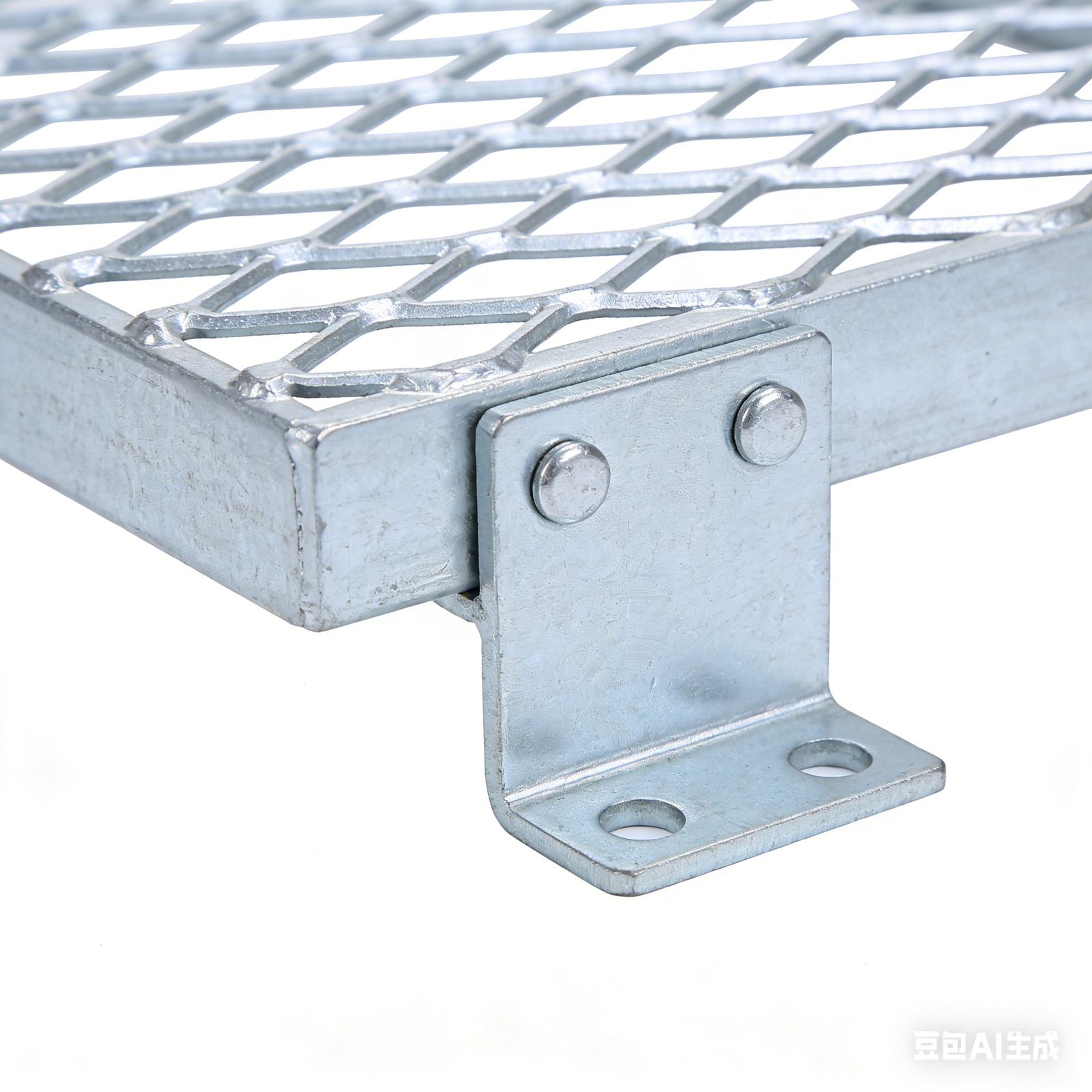
Banding bars for grating panel edges and perimeter support. Provide structural reinforcement and finished edges for platforms, walkways, and trench covers.
Banding bars for grating panel edges and perimeter support. Provide structural reinforcement and finished edges for platforms, walkways, and trench covers.

Banding bars are flat bars welded or bolted to the perimeter of grating panels to provide structural reinforcement, support for clips, and a finished edge. They run parallel to the bearing bars at panel edges and can be used with or without toe plates. Banding bars improve panel rigidity, support load transfer to supports, and provide a clean edge for installation. Available in carbon steel or stainless steel to match grating material and finish.
| Specification | Details |
|---|---|
| Function | Edge reinforcement; support for clips; finished perimeter |
| Typical use | Platforms, walkways, trench covers, stair treads |
| Materials | Carbon steel, stainless steel (304, 316) |
| Finishes | Hot-dip galvanized, painted, stainless |
| Sizes | Flat bar; thickness and width per grating and load requirements |
| Installation | Welded to grating perimeter; typically supplied with panel |
Cable-tray and CRAC maintenance platforms use saddle clips with documented torque in O&M manuals.
Turbine decks subject to vibration may specify hold-downs at panel corners per mechanical package.
Offshore modules require positive retention and inspection paint marking for clip integrity surveys.
Banding closes cut edges and stiffens panels for lifting; specify banding thickness with mesh depth.
Welded is typical for shop-fabricated panels.
Pair with toe plates for kick protection.
Thin bands need bracing strategy in fab drawings.
Deeper bars may need taller band to clear welds.
Coordinate banding interruptions with drainage cutouts.
Send grating type, panel dimensions, material, finish, quantity, and project requirements.
Selection support
Share the application, load, span, material and finish with the RFQ.
State the operating area, access frequency and any wet, corrosive or public-safety conditions.
Provide clear span, bearing direction, design load, dimensions and required standards.
Include frames, clips, banding, toe plates, railings and drawings in one coordinated RFQ.