
Application
State the operating area, access frequency and any wet, corrosive or public-safety conditions.
Commonly supplied as part of a complete access package.
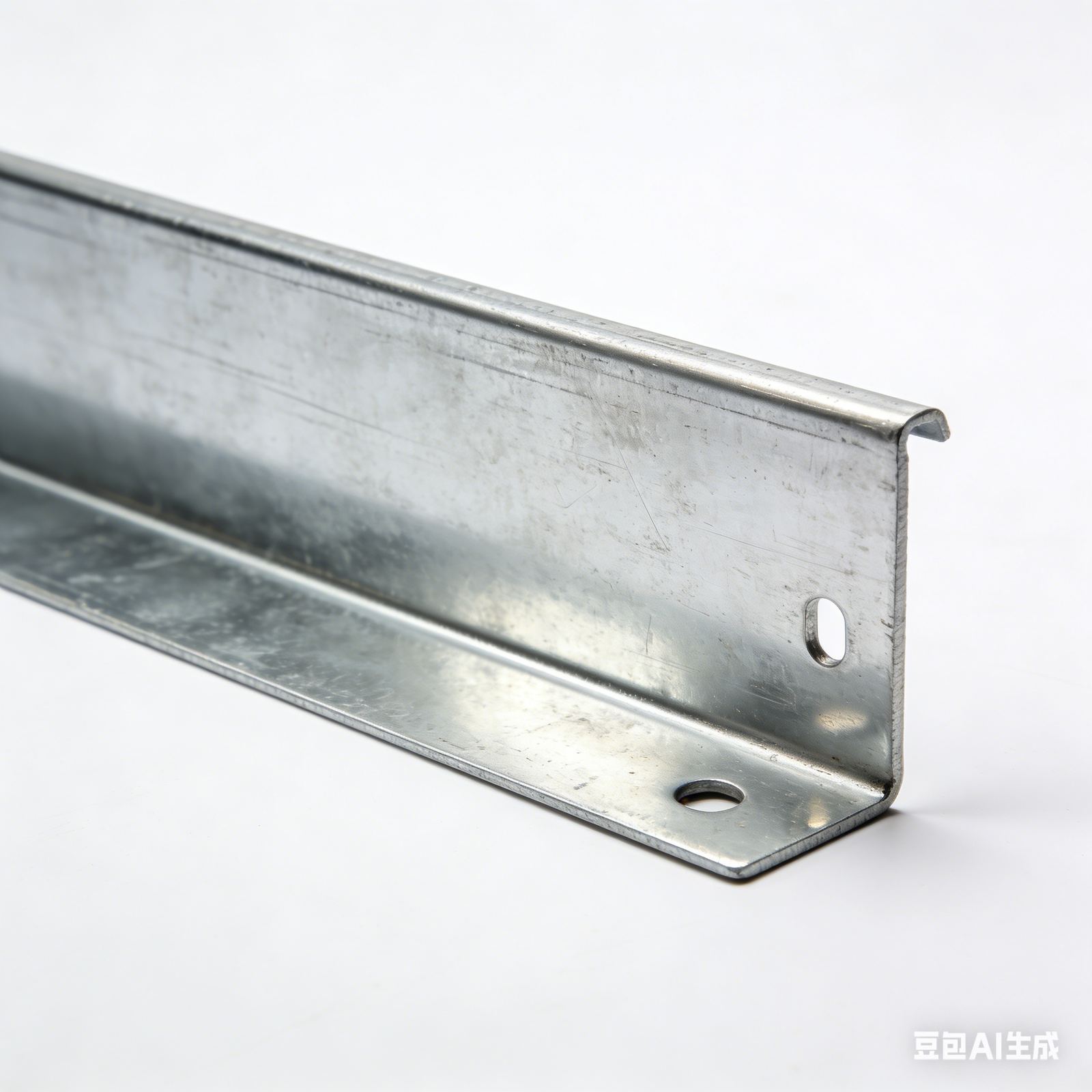
Configured for industrial projects
Toe plates for grating edge safety and closure. Prevent objects from falling through and improve edge definition on platforms, walkways, and stair treads.
Toe plates for grating edge safety and closure. Prevent objects from falling through and improve edge definition on platforms, walkways, and stair treads.

Toe plates are flat or angled plates attached to the leading edge of grating panels, stair treads, or platforms to close the open area at the edge. They prevent small objects from falling through, improve edge definition for safety, and can provide a visual or tactile cue at step edges. Toe plates are commonly used on stair treads (as nosing) and at platform perimeters. Available in carbon steel or stainless steel to match grating material and finish.
| Specification | Details |
|---|---|
| Function | Close edge opening; prevent object drop-through; improve safety |
| Typical use | Stair tread nosing, platform edges, walkway perimeters |
| Materials | Carbon steel, stainless steel (304, 316) |
| Finishes | Hot-dip galvanized, painted, stainless |
| Profile | Flat or angled; dimensions per project specification |
| Installation | Welded or bolted to grating edge; integrated with nosing where specified |
Cable-tray and CRAC maintenance platforms use saddle clips with documented torque in O&M manuals.
Turbine decks subject to vibration may specify hold-downs at panel corners per mechanical package.
Offshore modules require positive retention and inspection paint marking for clip integrity surveys.
Toe plates provide kick protection at open grating edges on racks and stair landings.
Commonly 100 mm / 4 in unless code states otherwise.
Specify stitch vs continuous per structural detail.
Match handrail spec for duplex systems.
Define whether mesh stops flush with toe or steps back for drip.
Posts often weld to toe plate—show load path on drawings.
Send grating type, dimensions, material, finish, quantity, and project requirements.
Selection support
Share the application, load, span, material and finish with the RFQ.
State the operating area, access frequency and any wet, corrosive or public-safety conditions.
Provide clear span, bearing direction, design load, dimensions and required standards.
Include frames, clips, banding, toe plates, railings and drawings in one coordinated RFQ.