Application
State the operating area, access frequency and any wet, corrosive or public-safety conditions.
Commonly supplied as part of a complete access package.
Configured for industrial projects
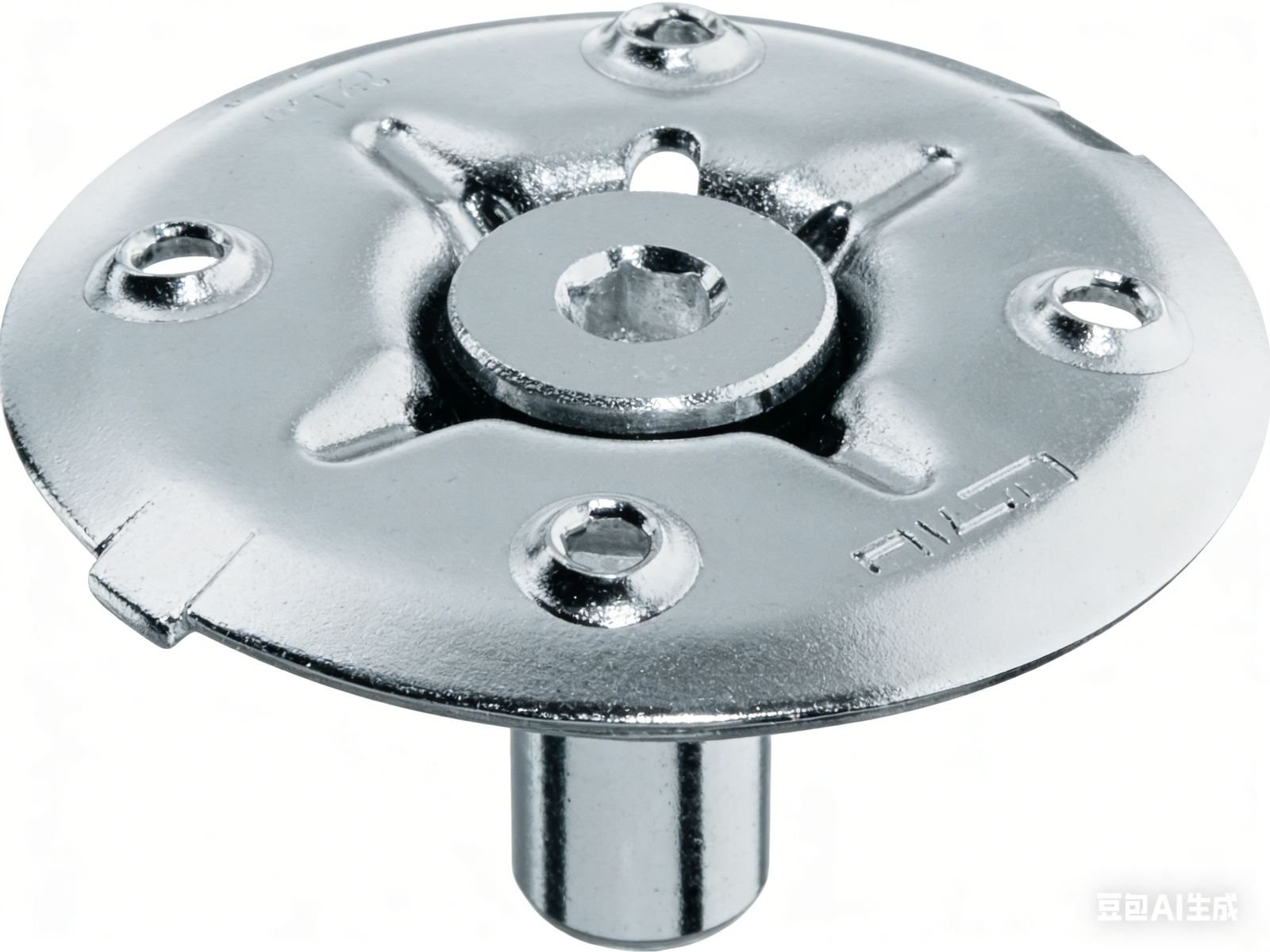
Hold-down clips for grating panel retention and anti-lift. Secure panels against uplift and movement in industrial platforms and outdoor applications.
Hold-down clips for grating panel retention and anti-lift. Secure panels against uplift and movement in industrial platforms and outdoor applications.

Hold-down clips are designed to prevent grating panels from lifting or shifting under load, wind, or thermal expansion. They clamp or engage the grating from above or at the edge to provide positive retention. Hold-down clips are especially important for outdoor installations, elevated platforms, and areas subject to uplift forces. Available in carbon steel or stainless steel to match grating material and finish.
| Specification | Details |
|---|---|
| Function | Prevent panel uplift and lateral movement |
| Typical use | Outdoor platforms, elevated walkways, areas with wind or thermal movement |
| Materials | Carbon steel, stainless steel (304, 316) |
| Finishes | Hot-dip galvanized, painted, stainless |
| Installation | Bolted to support; used with saddle clips or as standalone retention |
| Spacing | Per project specification and load requirements |
Cable-tray and CRAC maintenance platforms use saddle clips with documented torque in O&M manuals.
Turbine decks subject to vibration may specify hold-downs at panel corners per mechanical package.
Offshore modules require positive retention and inspection paint marking for clip integrity surveys.
Hold-downs resist uplift or vibration on offshore modules and rotating-equipment mezzanines.
When owner specs or vibration study calls for positive retention beyond friction.
Match environment: stainless vs galvanized carbon.
Confirm wrench access before fabricating banding.
Anchor layout may densify—structural engineer directs.
Works with most bar grating; verify bar depth.
Torque-check paint dots are common on offshore projects.
Send grating type, spacing, material, finish, quantity, and project requirements.
Selection support
Share the application, load, span, material and finish with the RFQ.
State the operating area, access frequency and any wet, corrosive or public-safety conditions.
Provide clear span, bearing direction, design load, dimensions and required standards.
Include frames, clips, banding, toe plates, railings and drawings in one coordinated RFQ.