
Steel Grating for Power Plants
Thermal plants combine large live loads, wet surfaces, and aggressive microclimates near flue-gas treatment and cooling systems. Bar grating is still the default walking surface—when the specifier states spans, loads, and slip strategy clearly.
Introduction
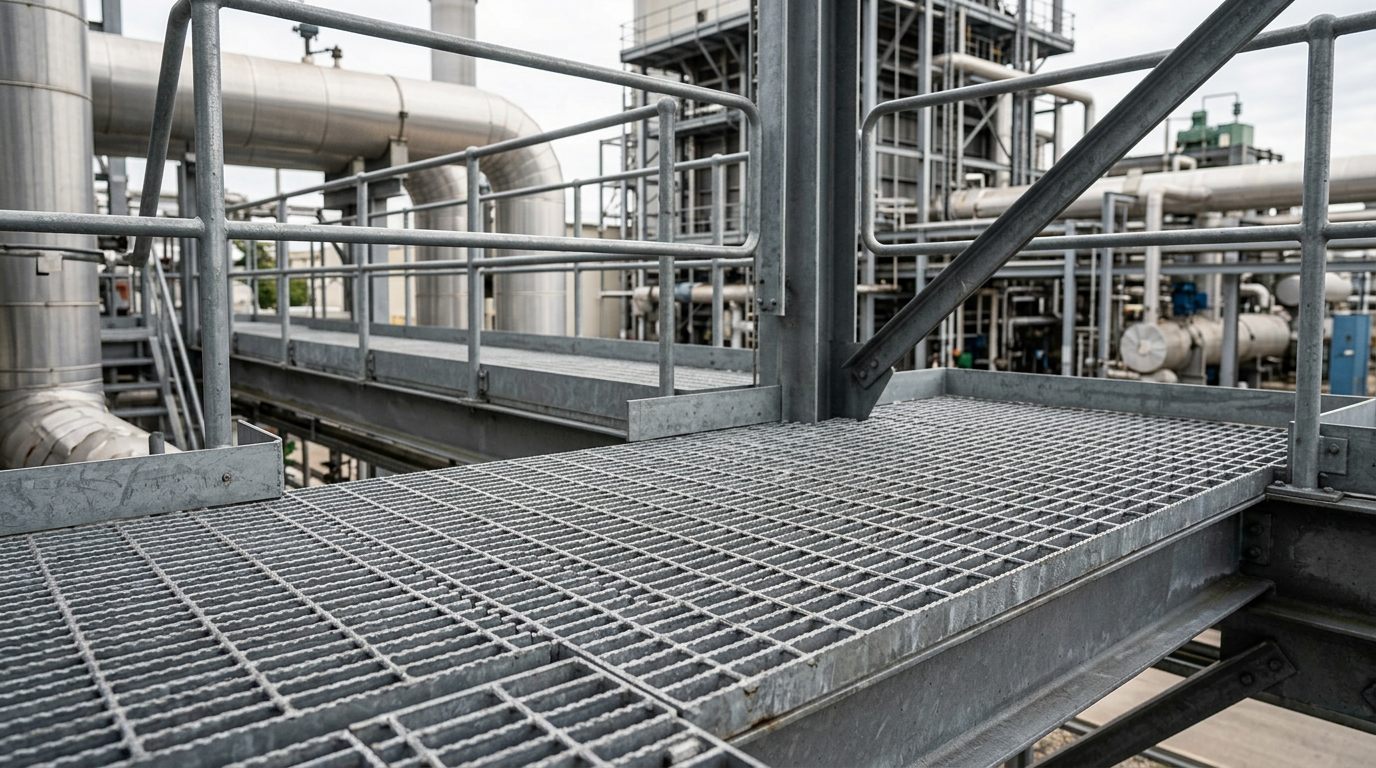
Power-plant engineering packages reuse successful details: welded steel bar grating on structural steel angles or channels, hot-dip galvanized after fabrication, with serrated bearing bars in steam-adjacent zones. The repetition is not laziness; it reflects codes, maintenance access, and contractor training. What changes from job to job is the duty—standard pedestrian platforms versus heavy-duty routes for maintenance vehicles—and the corrosion class near FGD skids, cooling towers, or coastal intakes.
Turbine hall and steam path access
Operating decks around turbines see condensate, oil films from maintenance, and occasional hose-down. Slip resistance belongs in the base specification, not as a late add-on. Serrated grating addresses friction; load capacity still depends on span and bar size. Where instrument cables require drop protection, consider close-mesh patterns or local solid covers.
Boiler and duct access platforms
Elevated boiler walkways prioritize uniform live load plus tool loads at handrail posts. Ash hopper access may add temperature and abrasive dust concerns—galvanizing thickness and touch-up strategy should be written into the spec. Open mesh helps shed ash and wash water compared to plate, provided housekeeping keeps openings clear.
Coal, biomass, and materials handling
Transfer tower galleries and crusher mezzanines see impact and tracked traffic more often than office mezzanines. This is where concentrated loads drive heavy-duty load tables or custom bar schedules. Specify wheel loads, tire contact patch assumptions, and dynamic factors if the owner expects them—generic “H-20—language without geometry is insufficient for grating design.
Cooling water and chemical areas
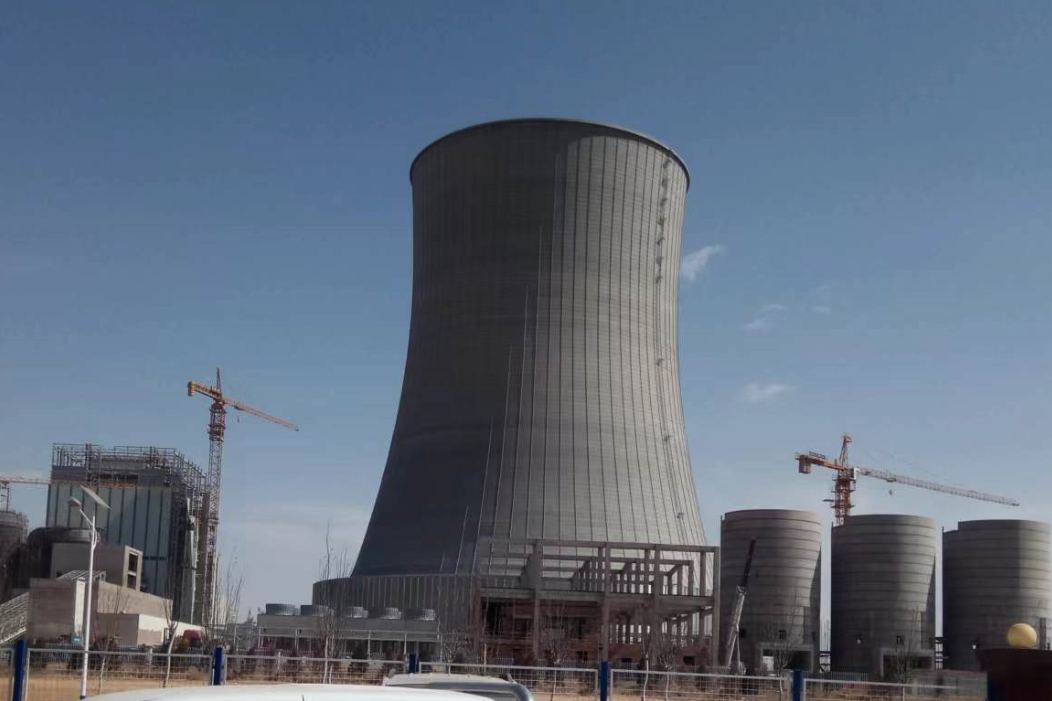
Chloride-laden mist near cooling towers accelerates zinc coating wear on carbon steel. Owners may accept more frequent coating maintenance, upgrade to stainless in critical bands, or use chemical-resistant FRP where electrical isolation or extreme splash compatibility wins. Each choice must reconcile steel versus FRP with fire and structural notes.
SCR, FGD, and reagent skids
Flue-gas treatment packages drop small platforms around pumps, day tanks, and dosing lines. These areas combine occasional chemical splash with washdown. Specify mesh and finish for the worst credible spill, not for “clean—turbine aesthetics. Serrated tops remain useful where operators hose down catalyst replacement zones; document slip expectations in the commissioning safety file.
Ash handling, dust, and housekeeping
Biomass and coal plants generate fines that pack into cross-bar pockets if cleaning stops. Open mesh helps, but only if housekeeping removes buildup before it bridges openings. Where dust explosions are classified, grounding continuity on steel walkways must match the DSEAR/ATEX philosophy for the building—do not assume grating is “already earthed—without testing the clip layout.
Stairs, ladders, and trench crossings
Vertical circulation often uses welded stair treads or serrated treads matched to platform mesh. At grade, buried utility trenches may need rated trench covers where fork trucks cross. Treat those as separate load cases from pedestrian platforms.
Specification habits that reduce RFQ churn
Retrofits often reuse old span assumptions from as-built PDFs that no longer match reinforced steel below. Before you copy a mesh table from a 1998 drawing, verify beam spacing in the current model. A one-hundred-millimetre span change can move a panel from an acceptable deflection to a failed serviceability check even when the “same—grating name appears in the legend.
- Show bearing bar direction relative to beams on plans.
- List service and factored loads the way your structural engineer named them.
- State deflection limits explicitly.
- Call out finish system: galvanizing standard, duplex coating, or stainless grade.
- Reference owner safety rules for slip and trip hazards—tie them to serrated or plain top.
Use how to specify as a checklist and submit packages through RFQ.
Related pages
Industry overview: power plant solutions. Application context: platform flooring, walkways, stair systems. Selection guide: how to choose steel grating. Downloads: steel grating catalog. Accessories: hold-down clips, banding bars.
Frequently asked questions
Why is serrated grating common around steam turbines?
Condensate, gland leaks, and washdown create slippery plain steel. Serrated bars improve friction. Structural capacity still follows span and bar size.
When does a power plant need heavy-duty grating?
When wheel loads, cable reels, or maintenance vehicles exceed standard-duty tables at the real span. Specify loads and verify with supplier engineering.
Is galvanized steel acceptable near cooling water or FGD areas?
Often yes on balance-of-plant walkways; aggressive mist may force stainless or upgraded coatings. Match finish to the corrosion category.
How are stair treads specified in power stations?
Match stringer spacing to tread tables; choose nosing and slip surface to HSE rules; welded and serrated combinations are common.
Can FRP replace steel in a power plant?
Yes in selected chemical or isolation zones if fire and structural criteria allow. Many turbine decks remain steel for stiffness and precedent.